All Categories
Featured
Why Perimeter Defense Is Dead in Distributed R&D Networks
7 Elements of High-Performance Corporate Research Study C...
From Model to Production: Enhancing the Development Funnel

Does Your Business Hub Assistance Quick Prototyping Needs?

Incorporating External Startups Into Your Internal Development Pipeline
Table of Contents
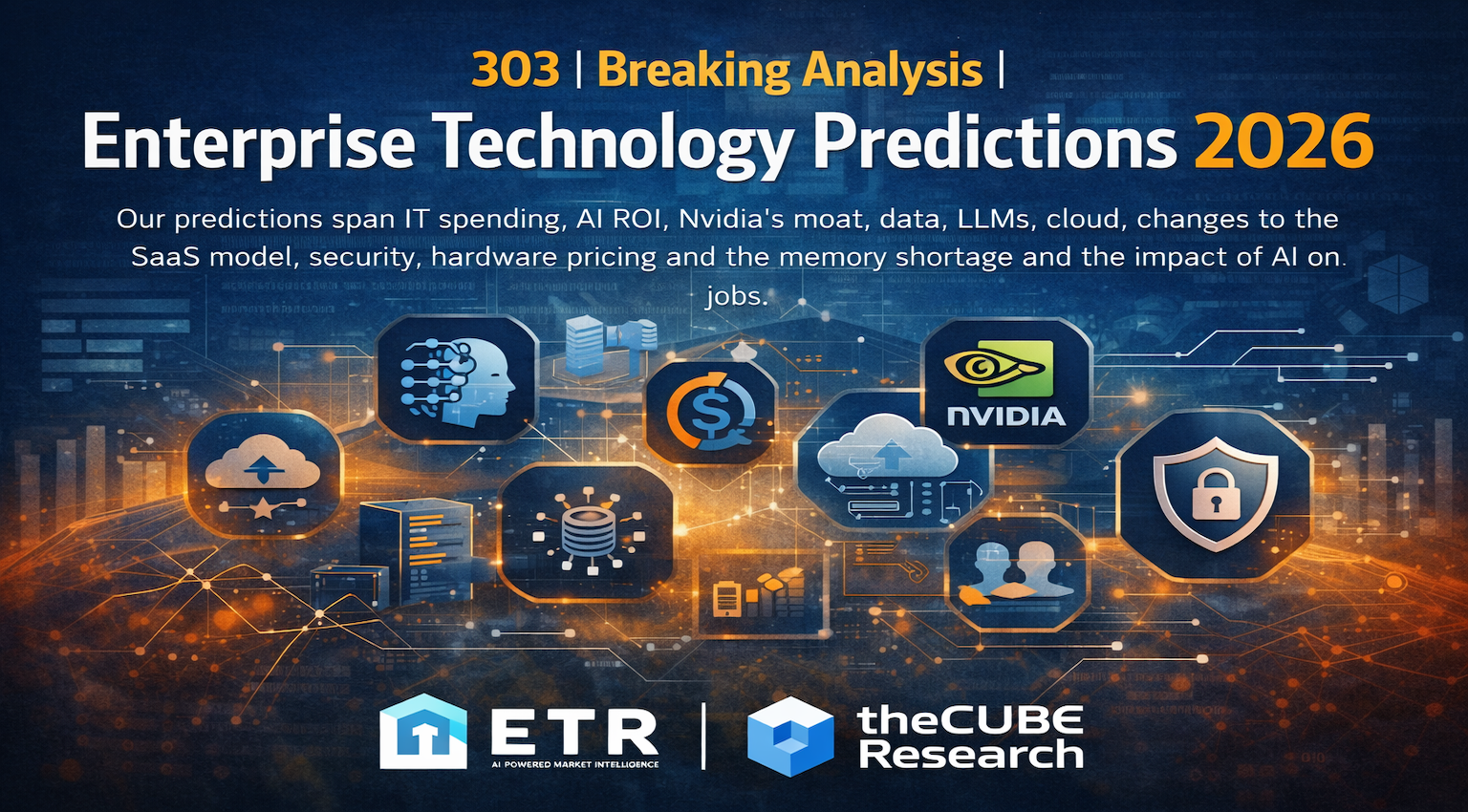
Existing State of Sustainable Power in modern data centers during 2026
The standard for information center power usage has actually altered considerably since 2026. Large-scale computing centers no longer deal with electrical power as an infinite resource however as a variable asset that should be stabilized versus regional grid capability. High-performance computing environments are moving away from traditional backup generators fueled by diesel towards cleaner alternatives like hydrogen fuel cells and long-duration battery storage. This shift is driven by both regulative pressures and the useful reality of energy expenses in 2026.
Many centers located in major industrial zones are embracing grid-interactive uninterruptible power supply systems. These systems allow information centers to serve as virtual power plants, feeding energy back into the local grid throughout peak demand. This interaction helps stabilize the energy market in the surrounding region while supplying a secondary earnings stream for the enterprise. The reliance on coal and gas has actually dropped as business requireds need 24/7 carbon-free energy matching, an objective that appeared distant simply a few years ago but is now a basic functional requirement.
Energy density in server racks has reached brand-new heights in 2026, necessitating a modification in how physical area is managed. Air cooling is reaching its physical limits for numerous AI-heavy work. As a result, liquid immersion cooling has actually moved from a specialized service to a typical sight in regional technology clusters. By submerging elements in dielectric fluid, operators can remove heat more effectively, enabling for tighter rack configurations and a smaller sized physical footprint. This reduction in square video straight contributes to sustainability by reducing the amount of concrete and steel required for brand-new builds.
Thermal Management and Heat Reuse in urban environments
Waste heat was when the primary opponent of the data center supervisor, something to be discarded at a high expense. In 2026, heat is deemed a by-product with industrial value. Numerous new innovation centers are developed with integrated heat healing systems that pipe excess thermal energy into local district heating networks. This approach is particularly efficient for centers located in colder climates, where the continuous heat from server selections can warm countless homes or supply hot water for regional markets.
Carrying out these systems needs deep cooperation between enterprise designers and city planners. The technical difficulties include keeping the right temperature level delta to make sure the heat is usable for the grid without jeopardizing the cooling of the servers. Those who focus on GCC America find that these thermal partnerships significantly improve the public perception of large-scale information projects. Instead of being seen as energy drains pipes, these centers are deemed vital components of the regional energy facilities.
In 2026, cooling innovation has also seen the rise of phase-change materials and advanced heat pipes. These passive cooling approaches reduce the variety of moving parts in a center, which in turn reduces upkeep requirements and energy use. By decreasing the mechanical load of fans and pumps, the general power usage effectiveness ratio of modern-day centers in various tech sectors has dropped closer to the theoretical limitation of 1.0. This efficiency is no longer an optional badge of honor however a requirement for remaining competitive in a market where energy prices vary quickly.
Circular Economy and Hardware Lifecycle in 2026
The ecological footprint of an information center extends far beyond the electricity it consumes. The "embodied carbon" found in the equipment itself is a major focus for sustainability officers in 2026. The industry has actually shifted toward a circular economy design where hardware is designed for disassembly. Modular server chassis permit private components like memory modules, processors, and power supplies to be updated or replaced without disposing of the whole unit. This practice substantially decreases electronic waste in technical hubs.
Producers have also enhanced the traceability of uncommon earth metals used in high-end elements. In 2026, enterprises frequently demand transparency relating to the origin and recyclability of every server blade they acquire. There is a growing secondary market for refurbished business gear, where hardware that no longer meets the efficiency requirements of a primary website is repurposed for less intensive tasks in secondary markets. This extension of the hardware lifecycle is a crucial technique for reducing the total carbon impact of IT operations.
Repair programs are typically managed by the initial devices makers, who provide certifications for utilized equipment to ensure dependability. This has created a more flexible procurement environment. Organizations looking for Strategic GCC America Strategy typically find that a mix of brand-new and qualified secondhand devices supplies the very best balance of efficiency and sustainability. This hybrid method to hardware acquisition assists reduce the supply chain volatility that identified the earlier part of the years.
Software-Defined Sustainability and AI Optimization
The role of software in infrastructure sustainability has actually expanded considerably by 2026. AI-driven management layers now oversee every element of data center operations, from cooling loops to work scheduling. These systems use predictive analytics to expect spikes in demand and adjust cooling capacity in real-time, preventing the "over-cooling" that was common in the past. In modern tech environments, these AI controllers are often linked directly to weather report and energy cost feeds, permitting the facility to pre-cool during times of low energy cost and high renewable accessibility.
Carbon-aware scheduling is another major advancement in 2026. This includes moving non-critical batch tasks to times of day when the regional grid is powered by the greatest portion of renewable resource. For worldwide enterprises, this might even suggest shifting workloads throughout continents to follow the sun or wind. If a facility in a specific region is experiencing a peak in solar production, it may handle work from a facility where the sun has actually set, effectively creating a worldwide, "follow-the-renewables" processing network.
This level of optimization needs a highly flexible software stack. Containerization and microservices are utilized to make work portable enough to move in between sites with very little latency. Developers in 2026 are also being trained to write "green code" that is more efficient in its usage of CPU cycles and memory. By decreasing the computational strength of an application, the underlying hardware needs less energy to process the very same quantity of information, causing a direct decrease in the carbon footprint per deal.
The Economic Reality of Green Infrastructure
By 2026, the financial argument for sustainable design has ended up being as strong as the ethical one. Carbon taxes and ecological levies have actually made inefficient operations excessively expensive in many jurisdictions. On the other hand, facilities in forward-thinking regions that meet high sustainability standards often get approved for significant tax breaks and lower insurance coverage premiums. The capital expense needed to set up liquid cooling or hydrogen storage is typically offset within a couple of years by lower functional costs and the avoidance of carbon penalties.
Financiers are likewise scrutinizing the sustainability metrics of business infrastructure. Environmental, Social, and Governance reporting has become more standardized and extensive. In 2026, a business's ability to show a clear path to net-zero operations is a significant consider its credit score and stock evaluation. This has actually resulted in a rise in green bonds and other funding mechanisms particularly designed to fund the modernization of aging information centers in industrial areas.
Keeping a high-performance development center in 2026 needs a shift in perspective. It is no longer adequate to just optimize uptime and throughput. Success is now measured by the ability to provide those results with minimal ecological effect. The integration of innovative power systems, circular hardware lifecycles, and AI-driven software management has produced a new standard for quality in the sector. As the need for calculating power continues to grow, the concentrate on sustainability guarantees that this growth does not come at the expense of the world's future.
The facilities being developed today in growing tech markets are developed to last for years, with the flexibility to adjust to brand-new energy sources and cooling innovations as they emerge. This long-term thinking is the hallmark of facilities style in 2026. By prioritizing performance and resource preservation, business are not only minimizing their expenses however also constructing a more durable foundation for the next generation of digital services. The shift toward sustainable design is a permanent change in how we believe about the relationship in between technology and the environment.

Table of Contents
Latest Posts
Why Perimeter Defense Is Dead in Distributed R&D Networks

7 Elements of High-Performance Corporate Research Study Centers
From Model to Production: Enhancing the Development Funnel
Latest Posts
Why Perimeter Defense Is Dead in Distributed R&D Networks
7 Elements of High-Performance Corporate Research Study Centers
From Model to Production: Enhancing the Development Funnel